Normalize the conversation
Help athletes name what they are feeling without shame, weakness, or fear of losing their place.
Explore Beyond the Game
Skip the long scroll. Jump directly to the part of the site that matters to you.
Our mission
Help athletes name what they are feeling without shame, weakness, or fear of losing their place.
Offer simple tools for managing stress, recovery, sleep, emotions, and the mental side of competition.
Encourage young athletes to reach trusted adults, qualified professionals, and emergency resources when needed.
I say put mental health first.
Featured athlete journey

Wang · University High Jumper · China National First-Class Athlete
After an injury, Wang learned that returning to sport can involve mental recovery alongside physical recovery, and that talking to someone can be part of finding your way back.
Read Wang's journeyStart here
Short, athlete-friendly exercises you can use before, during, or after training.
Know the warning signs and how to connect with immediate local help.
Use our guided prompts to reflect on your experience as a young athlete.
Explore athlete journeys about pressure, injury, confidence, recovery, and life beyond performance as they are added.
The mental side of training
Research on children and adolescents links sport participation with psychological and social benefits—but the environment matters. Positive experiences, supportive relationships, and healthy expectations can help sport become a place where wellbeing grows.
Recent systematic-review evidence links youth sport participation with higher self-esteem and stronger self-perceptions.
Peer belonging, social support, and positive relationships are important pathways through which sport can support young people's mental health.
Experimental evidence reviewed in recent research suggests sport can help develop emotional regulation, resilience, and prosocial behavior.
Across youth studies, sport participation has been associated with greater life satisfaction and overall psychological wellbeing.
The review found consistent associations with higher self-esteem and life satisfaction, lower depressive and anxiety symptoms, and stronger social outcomes. It also cautions that context and study design matter.
Read the systematic review ↗Sports mental health realities
Mental health can affect focus, motivation, relationships, sleep, confidence, and enjoyment of sport. These experiences are worth taking seriously.
Expectations from yourself, teams, school, selection, rankings, or adults can feel relentless.
Fear of mistakes or judgment can make competition feel threatening instead of exciting.
Long-term stress and insufficient recovery can drain motivation and enjoyment.
Injury can disrupt identity, routine, social connection, confidence, and future plans.
Comparison and setbacks can make athletes tie their self-worth too tightly to performance.
Sport-specific body expectations can affect confidence, eating habits, and wellbeing.
Communication problems, bullying, exclusion, or unsafe dynamics can have a real mental toll.
Family loss and other trauma do not disappear when an athlete steps onto the field.
Research & industry voices
These statistics come from published NCAA research and an American Academy of Pediatrics clinical report. College-athlete data is labeled separately from youth-athlete data so the populations are not confused.
reported constantly feeling overwhelmed in the NCAA's 2022–23 Student-Athlete Health and Wellness Study.
NCAA source ↗reported feeling mentally exhausted in the same NCAA study.
NCAA source ↗reported constantly feeling overwhelmed in the NCAA's 2022–23 study.
NCAA source ↗reported feeling mentally exhausted in the NCAA's 2022–23 study.
NCAA source ↗said they would feel comfortable personally seeking support from a mental health provider on campus in an earlier NCAA student-athlete well-being survey reported in 2023.
NCAA source ↗are reported to discontinue organized sports by age 13; the AAP identifies injury and burnout among major reasons for attrition.
AAP clinical report ↗met a definition of burnout in one Swedish study cited by the AAP; the AAP notes the true prevalence in young athletes is unknown.
AAP clinical report ↗across all three divisions participated in the 2022–23 NCAA Student-Athlete Health and Wellness Study.
Study methodology ↗NCAA findings describe college student-athletes, not all youth athletes, and the cards above draw from more than one NCAA survey where clearly labeled. The AAP also cautions that the true prevalence of burnout among young athletes is unknown. Beyond the Game labels the population and source beside each statistic rather than generalizing findings to every athlete.
Athlete voices
These are brief excerpts from public statements and first-person accounts. Follow the source links for the full context.

“I say put mental health first.”
During the Tokyo Olympics, Biles publicly discussed prioritizing her mental health and stepping away from competition when she did not feel able to compete safely.
Watch/read the PBS source ↗.jpg)
“We’re all human at the end of the day.”
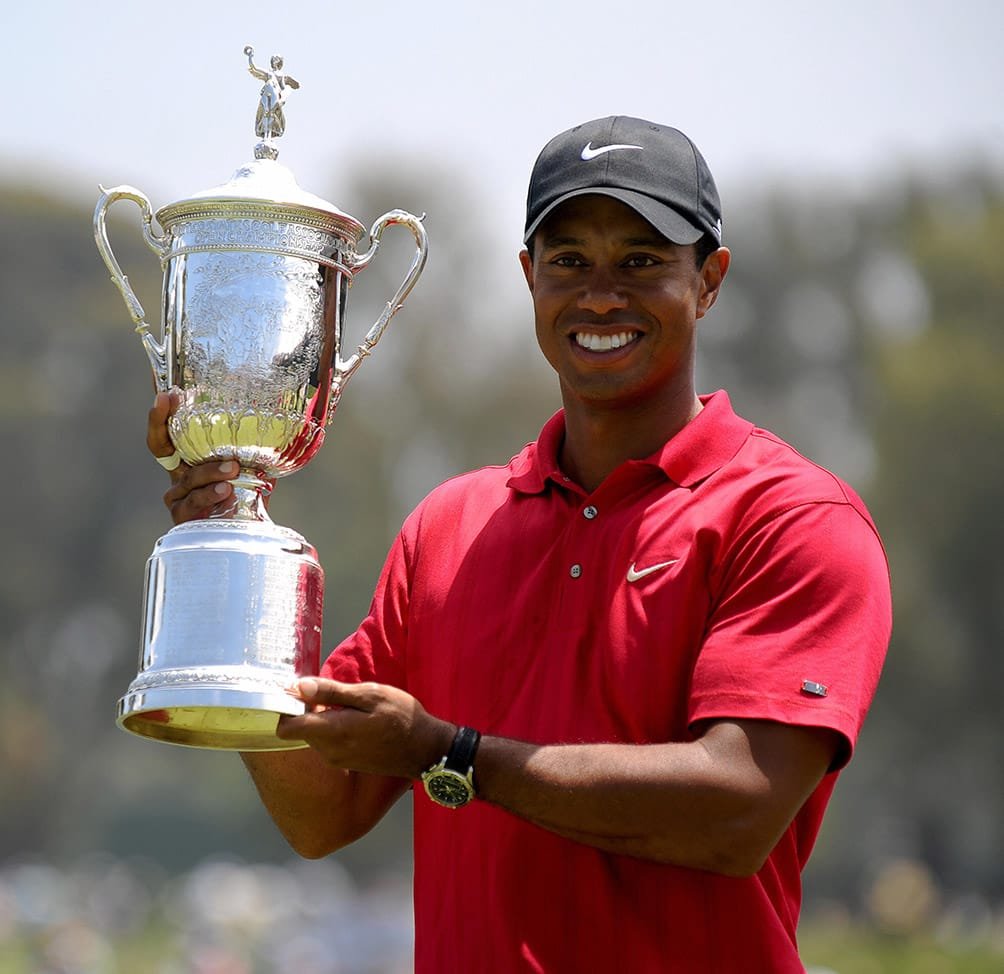
DeRozan spoke publicly about depression in 2018, helping open a wider conversation about mental health and vulnerability in professional sports.
Read the ESPN report ↗.jpg)
“Everyone is going through something that we can’t see.”
Love wrote openly about experiencing a panic attack, seeking therapy, and confronting his belief that he had to handle everything alone.
Read Love's first-person essay ↗Athlete photos on this page are used under Creative Commons licenses with attribution. They do not imply that the athletes endorse Beyond the Game.
What experts want athletes to know
The American Academy of Pediatrics notes that a young athlete may describe being distracted or having a performance problem when an underlying concern such as anxiety may also be affecting them.
American Academy of Pediatrics ↗AAP clinicians identify fear of failure and high internal or external performance expectations as factors that can increase risk for burnout and mental-health concerns in young athletes.
American Academy of Pediatrics ↗The AAP notes that athletes whose identity is strongly tied to sport may be at greater risk for mental-health concerns, particularly when injury interrupts participation.
American Academy of Pediatrics ↗NCAA best practices say formal evaluation and treatment of student-athletes should be performed by appropriately licensed mental-health providers and recommend clear pathways to routine and emergency care.
NCAA Mental Health Best Practices ↗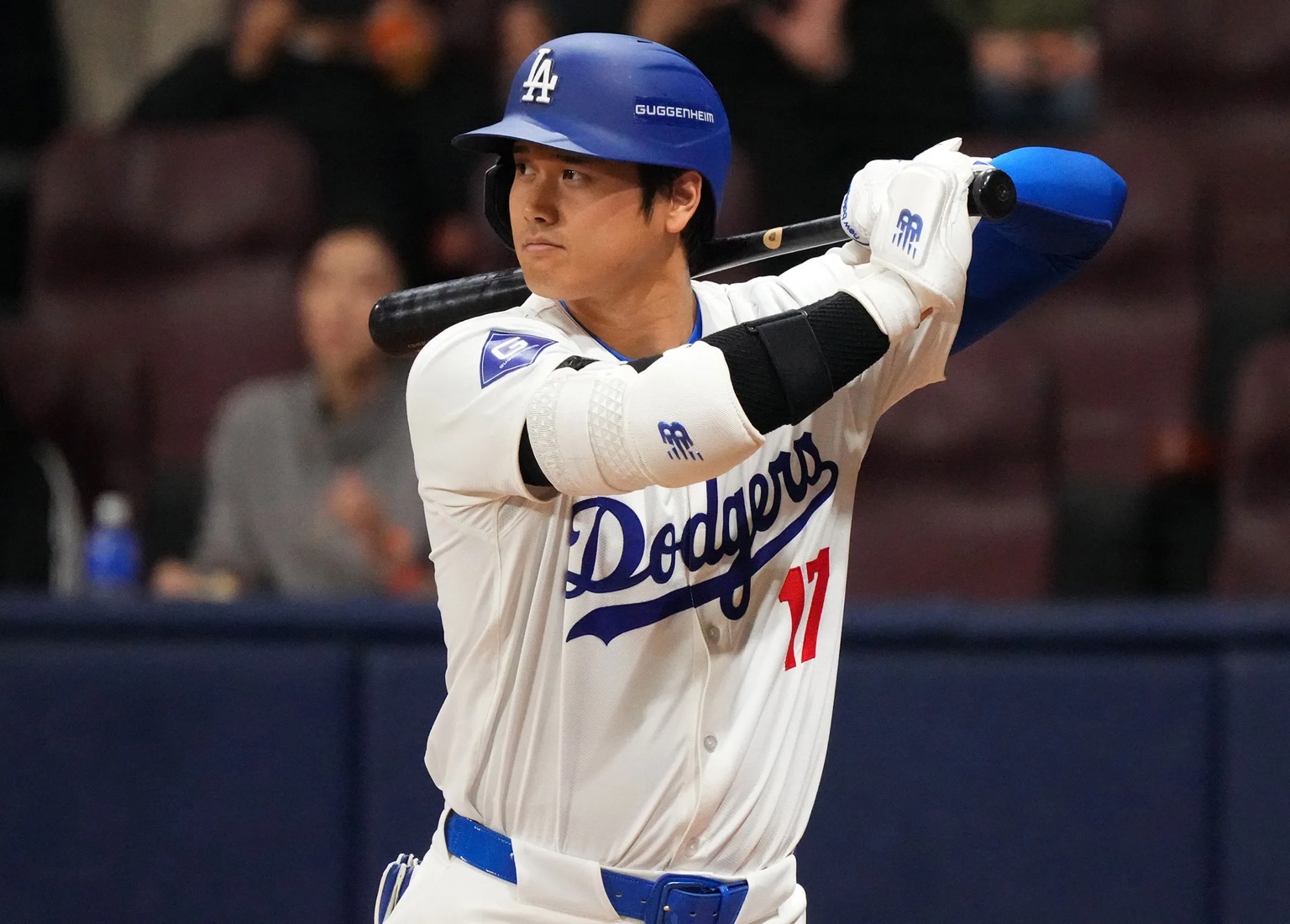
Mental health belongs in the conversation across every sport—not only when an athlete is struggling.
Athlete journeys
These stories come from athletes sharing their experiences with pressure, injury, recovery, school, coaching, and the mental side of competition.
After an injury, Wang's challenge was not only becoming physically ready to compete again. During recovery, he worried that he might never reach the athletic level he wanted. The experience showed him that returning to sport can involve a mental recovery alongside the physical one.
Wang described his coach as an important part of that process. His coach cared for him, comforted him, and understood the difficulties he was facing rather than treating recovery as only a physical problem.
Wang also described the difficulty of balancing high-level training and competition with studying at university, where the demands of being both a student and an athlete can compete for the same time and energy.
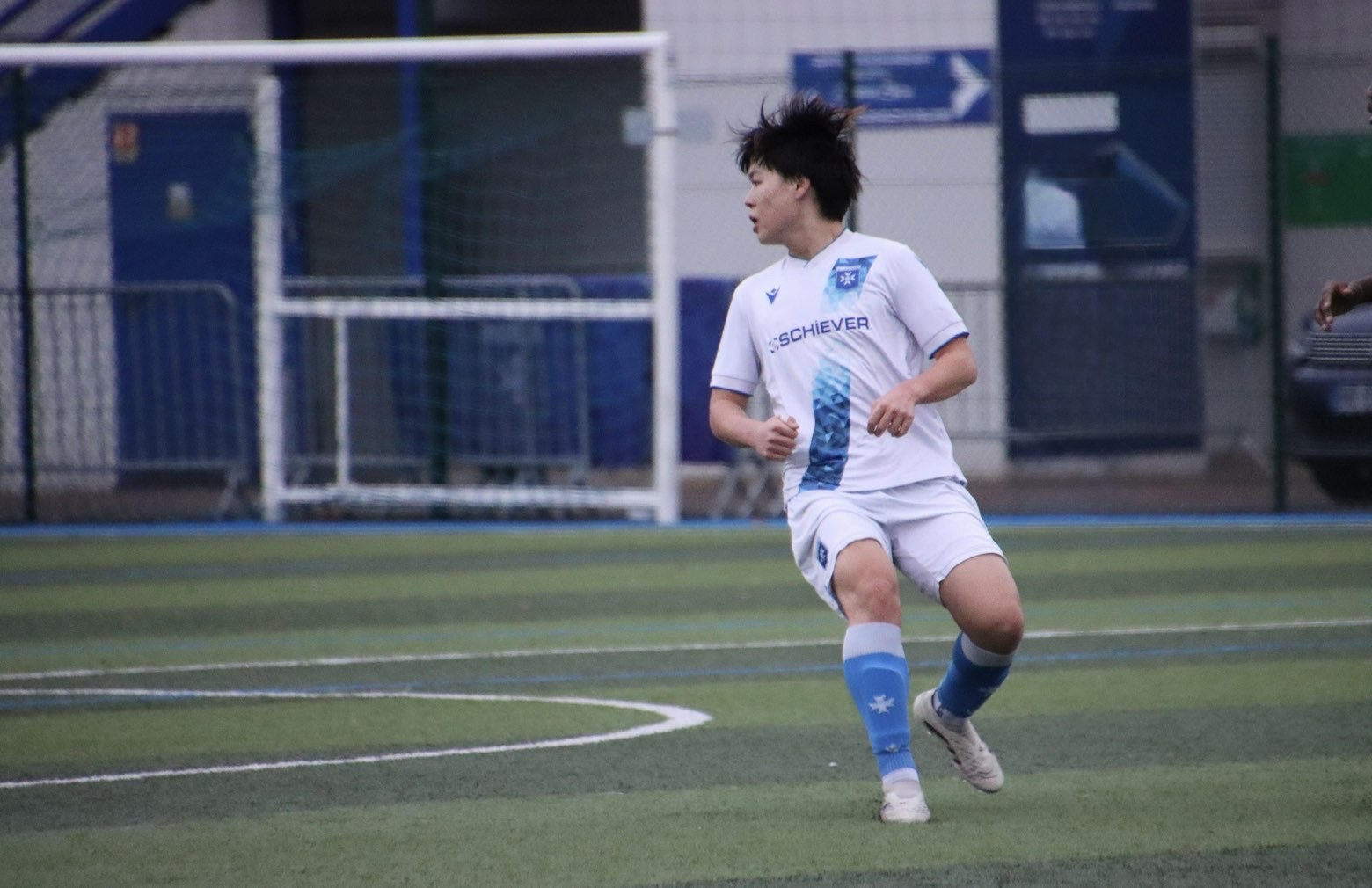

I play as a midfielder and started playing football when I was four years old. I started because I enjoyed the game, but over time it became something I wanted to take seriously and improve at as much as possible.
My biggest mental challenge has been dealing with self-doubt after poor performances or mistakes. Sometimes I overthink what went wrong, which can affect my confidence.
I try to focus on the next action instead of thinking about the mistake I just made. During difficult periods, I focus on things I can control, such as training well, working on weaknesses, and staying focused.
Coaches have helped me when they give honest feedback on what went wrong. Support from friends and people close to me has also helped me remember that one bad performance does not define me as a player.
I have learned that confidence has a huge effect on how I play. When I feel mentally good, I make quicker and better decisions, ask for the ball more, and play more creatively instead of being afraid of mistakes. I think this is very important for everyone.
I would tell them to speak to someone they trust instead of keeping everything to themselves. If you can’t do that, I suggest heading to a pitch to train with a friend or even alone.
“We’re all human at the end of the day.” — DeMar DeRozan · ESPN source ↗
“I say put mental health first.” — Simone Biles · PBS source ↗
Recovery is training, too. — Beyond the Game message
Asking for help is a skill. — Beyond the Game message
Self-care toolkit
These activities are general wellbeing tools and do not replace professional care.
Slow your breathing using equal phases of inhale, pause, exhale, and pause. Stop if you feel dizzy or uncomfortable.
Separate what happened from what you told yourself about it, then identify one useful next step.
Use a consistent wind-down routine, reduce stimulation before bed, and protect time for recovery.
Regular nourishment and hydration support training and general wellbeing. Individual needs vary widely.
Shift attention away from spiraling thoughts by noticing what is happening around you right now.
Simple reminders about recovery, confidence, identity, and asking for support.

Success and wellbeing can exist together. Asking for support is part of taking care of the athlete behind the result.
Get support
Beyond the Game is educational, not a crisis or treatment service. If you are in the United States and experiencing suicidal thoughts, a mental-health crisis, or emotional distress, the 988 Suicide & Crisis Lifeline is available 24/7 by call, text, or online chat.
Free, confidential, 24/7/365 emotional support across the United States and its territories for suicidal crisis, emotional distress, mental-health struggles, substance-use concerns, or simply needing someone to talk to.
Official 988 Lifeline ↗A free, confidential nationwide peer-support service for teens and young adults, available Monday–Friday, 10 a.m.–10 p.m. ET. NAMI states that it is not a crisis or suicide-prevention line.
Official NAMI HelpLine ↗SAMHSA's FindTreatment.gov is a confidential, anonymous U.S. resource for locating mental-health and substance-use treatment.
SAMHSA treatment locators ↗A parent or guardian, school counselor, healthcare professional, athletic trainer, teacher, or trusted coach can help you take the next step.
JED high-school athlete guide ↗Not sure what to say?
Verified resources library
These links point to established mental-health, youth, and athlete-support organizations.
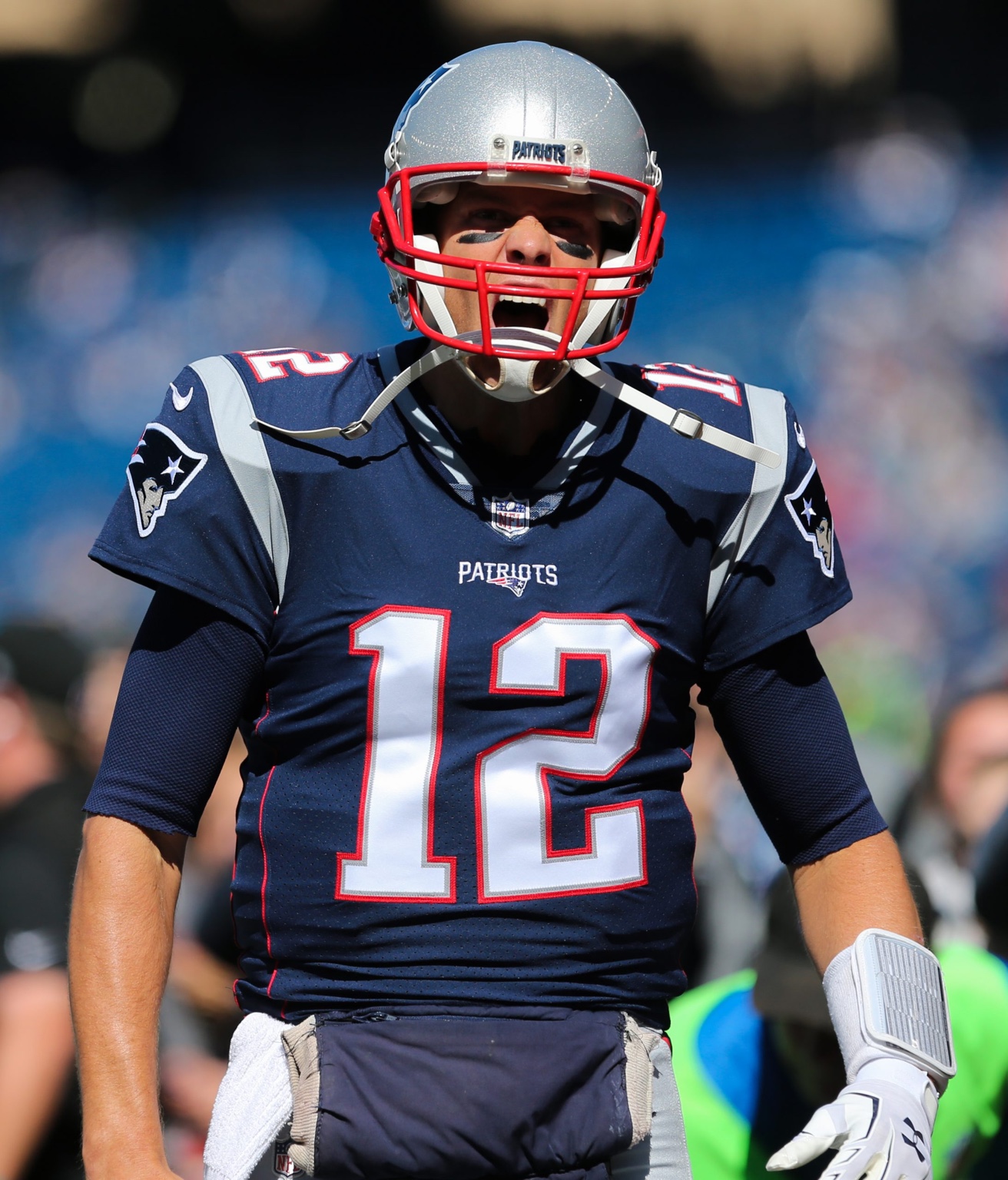
A guide specifically about balancing mental health with athletics, school, stress, and life outside sport.
The Jed Foundation ↗Helps high-school coaches support team mental health, recognize when an athlete is struggling, and connect athletes with professional help.
Coaches' Guide ↗Young athletes interview elite athletes about anxiety and pressure. Featured conversations include Kevin Love and Olympian Maia Shibutani.
Kevin Love conversation ↗Mental-health information and resources designed for young people, parents, caregivers, and educators.
NAMI youth resources ↗Evidence- and consensus-based best practices, fact sheets, education modules, research, and mental-health support information for college athletics.
NCAA mental health hub ↗Athlete-centered mental-wellbeing programming, storytelling, education, and resources designed to help change sport culture.
Athletes for Hope impact report ↗Official U.S. tools for finding mental-health and substance-use treatment, including FindTreatment.gov.
SAMHSA ↗Free and confidential call, text, and chat support, 24 hours a day, 7 days a week, for people in emotional distress or crisis.
988 Lifeline ↗For a youth mental-health website, Beyond the Game should prioritize resources with clear organizational or clinical accountability. Books and podcasts can be added later after individual review rather than filling the page for the sake of having more links.
About Beyond the Game
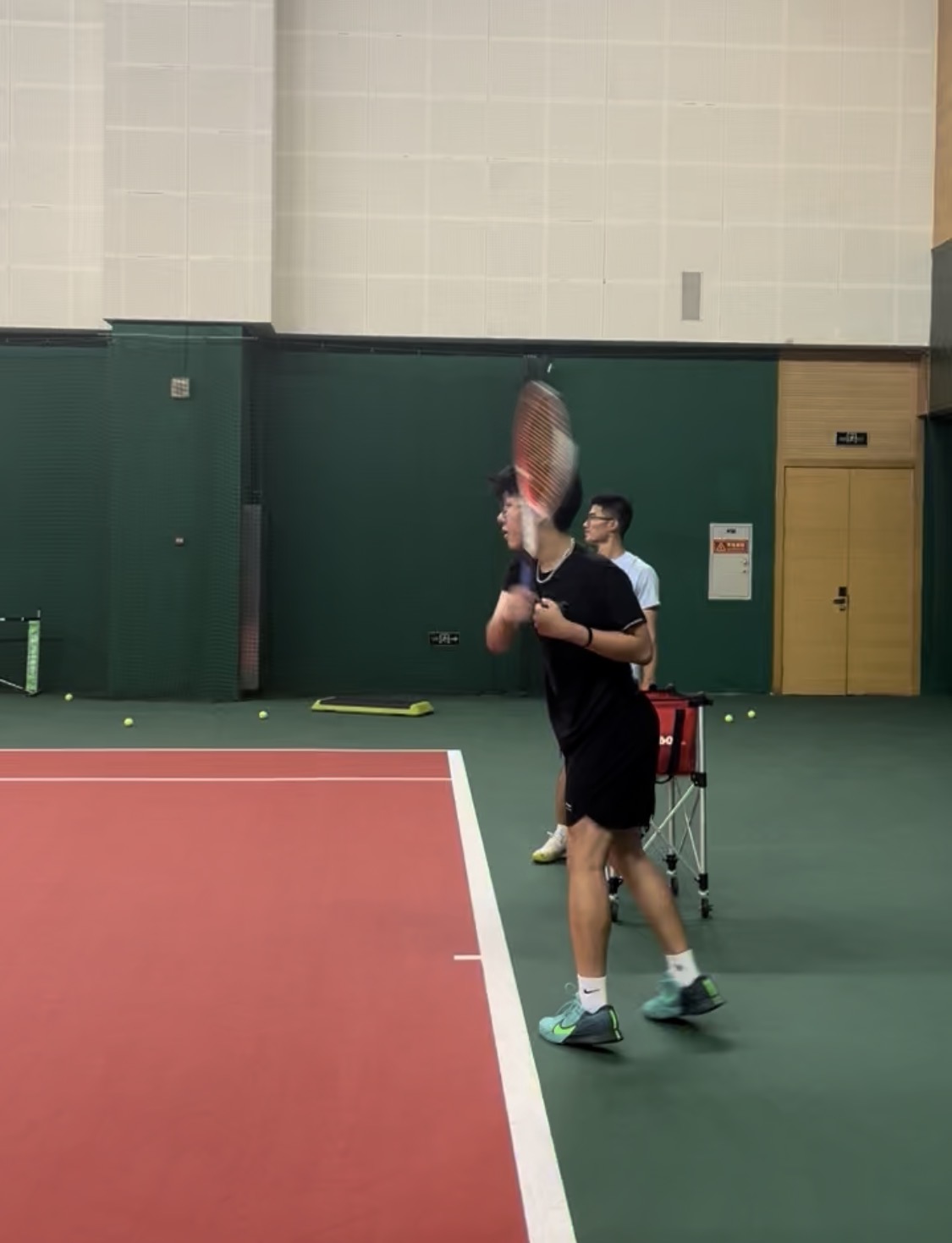
Beyond the Game is a student project created by Mingze Steven Sun, a student at The Hill School in Pottstown, Pennsylvania.
The project was created to help youth athletes better understand why mental health matters—not only when someone is struggling, but as an everyday part of performance, recovery, confidence, relationships, motivation, and life beyond sport.
Beyond the Game explores both sides of the mental-health conversation: the benefits that can come from protecting and strengthening mental wellbeing, and the less visible ways that pressure, anxiety, burnout, injury, expectations, identity, and other challenges can affect an athlete.
Through real athlete voices, research, practical wellbeing tools, and links to trusted support, the goal is to make mental health easier for young athletes to understand and easier to talk about. A successful athlete should not only be measured by scores, times, wins, rankings, or statistics. Taking care of the person behind the athlete matters too.
Why I created this
As a tennis player myself, I have struggled with the mental side of competition and realized that skill and talent are not everything. There is a hidden game within the game: how you respond to pressure, mistakes, expectations, confidence, and your own thoughts. After realizing that some of my friends were facing similar struggles, I created Beyond the Game to make that side of sports easier for young athletes to understand and talk about.
— Mingze Steven Sun
Beyond the Game is an independent student educational project and is not a mental-health provider or crisis service. References to The Hill School identify the creator's school affiliation and do not imply that the project is an official publication or service of The Hill School.
Beyond the Game
Select a language to continue. You can change it anytime from the top of the page.